

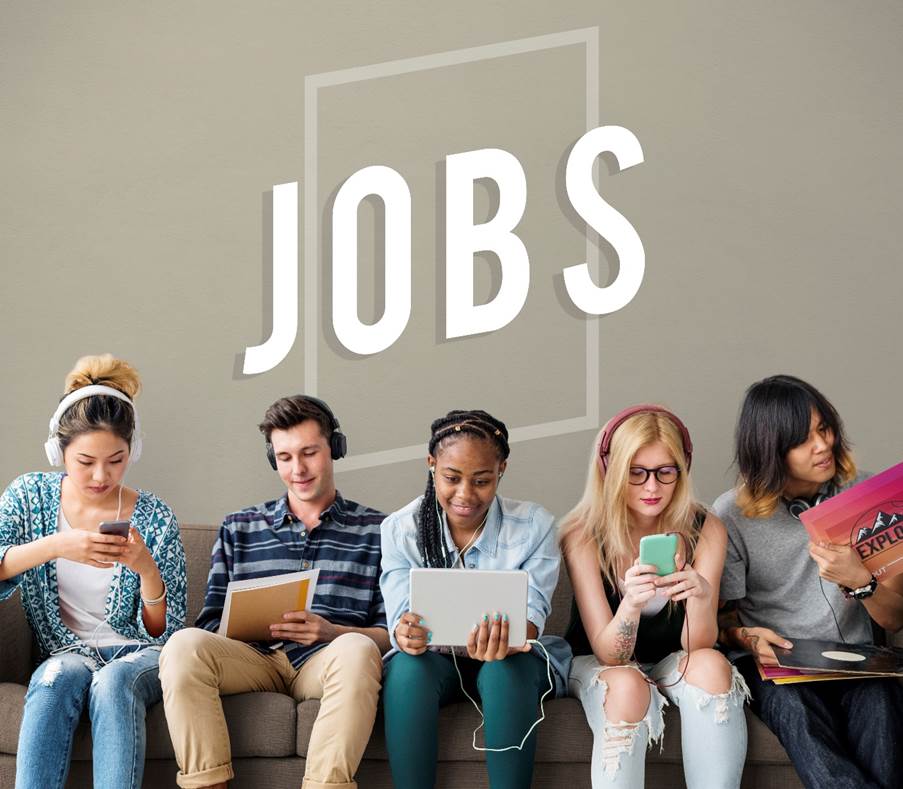
Generation Z—those born roughly between the mid-1990s and early 2010s—is entering the workforce with values and expectations that differ significantly from previous generations. Having grown up in a digital-first, fast-changing world shaped by economic uncertainty, global connectivity, and technological disruption, Gen Z approaches careers with a mindset focused on flexibility, purpose, and continuous learning.
One of the most visible shifts driven by Gen Z is their growing preference for internships and short-term experiential roles over traditional, long-term jobs, especially early in their careers. This does not mean Gen Z rejects stability entirely, but it does signal a fundamental change in how young professionals view work, growth, and success.
Understanding the Gen Z Mindset
To understand why Gen Z often favors internships, it’s important to first understand their worldview. Gen Z has witnessed layoffs, automation, and rapid industry changes from an early age. As a result, they are less likely to believe in the idea of a “job for life.”
Instead, Gen Z prioritizes:
- Skill-building over job titles
- Learning speed over linear career paths
- Flexibility over rigid structures
- Purpose and impact over prestige alone
This mindset naturally aligns more closely with internships than with traditional entry-level jobs.

Internships as Exploration Tools
For Gen Z, internships are not just stepping stones—they are career exploration tools. Many students and early professionals use internships to test industries, roles, and company cultures before committing long term.
Unlike traditional jobs, internships offer:
- Short-term commitment
- Lower risk if expectations don’t match reality
- Exposure to multiple roles or teams
- Opportunities to pivot quickly
Gen Z values this flexibility. They prefer to experiment early rather than lock themselves into roles that may not align with their interests or values.
Faster Skill Acquisition
One of the strongest reasons Gen Z prefers internships is the speed of learning. Internships often focus on hands-on work, project-based learning, and real-world problem-solving. Rather than spending months in rigid onboarding or hierarchical structures, interns are frequently encouraged to learn by doing.
Traditional entry-level jobs, on the other hand, can sometimes involve repetitive tasks, limited exposure, and slower growth. Gen Z, accustomed to rapid access to information and instant feedback, finds internships better aligned with their learning style.

Flexibility and Work-Life Balance
Flexibility is a non-negotiable for many Gen Z professionals. Internships—especially virtual or hybrid ones—often offer flexible schedules, remote options, and outcome-based evaluation rather than strict working hours.
Traditional jobs, particularly in conventional industries, may still emphasize fixed schedules, office presence, and rigid structures. Gen Z tends to prefer environments where they can balance work with personal growth, mental health, and side projects.
This preference has made internships, freelance roles, and contract-based work increasingly attractive.
Purpose Over Permanence
Gen Z is widely recognized as a purpose-driven generation. They want to understand how their work contributes to a larger mission, whether it’s social impact, innovation, or meaningful change.
Internships often provide clearer visibility into how individual contributions matter. Interns are frequently involved in specific projects with tangible outcomes, which helps them see the direct impact of their efforts.
In contrast, traditional jobs—especially in large organizations—may take time to provide that sense of purpose, which can be discouraging for young professionals seeking immediate meaning.
Digital-First and Global Exposure
Gen Z is the first truly digital-native generation. Virtual internships allow them to work with global teams, international startups, and diverse cultures without geographical constraints. This global exposure is highly valued and often harder to achieve through traditional local jobs.
Internships increasingly reflect the future of work: remote collaboration, cross-border teams, and digital tools. Traditional jobs that have not fully adapted to this shift may feel outdated to Gen Z.
Financial Considerations and Reality
While internships are sometimes criticized for being unpaid or lower paid, Gen Z often views early-stage internships as investments in long-term earning potential. They prioritize gaining relevant experience and skills that improve employability over immediate financial stability at the very beginning.
That said, Gen Z strongly advocates for fair compensation. Paid internships, stipends, and remote roles that reduce living costs are significantly more attractive than unpaid traditional entry-level roles with high expenses.
Traditional Jobs Still Matter—But Later
It’s important to note that Gen Z does not reject traditional jobs entirely. Rather, many see them as a later-stage choice once they have clarity, confidence, and leverage.
After experimenting through internships, Gen Z professionals are more likely to choose traditional jobs that:
- Align with their values
- Offer growth and learning
- Provide flexibility and autonomy
- Support mental well-being
In this sense, internships act as a filter, helping Gen Z make better long-term career decisions.
What This Means for Employers
The growing preference for internships over traditional jobs sends a clear message to employers. To attract Gen Z talent, organizations must rethink how they design early career roles.
Successful employers are:
- Creating structured, meaningful internship programs
- Offering mentorship and learning opportunities
- Emphasizing flexibility and purpose
- Providing clear pathways from internships to full-time roles
Internships are no longer optional—they are strategic tools for talent attraction and development.
Conclusion
The debate between internships and traditional jobs is not about which is better—it’s about when and why. For Gen Z, internships offer flexibility, learning, exploration, and purpose at a stage where discovery matters more than permanence.
As the future of work continues to evolve, internships are becoming a central part of career development rather than a temporary phase. Organizations that understand and adapt to Gen Z’s preferences will be better positioned to build engaged, skilled, and future-ready workforces.
In the end, Gen Z is not avoiding work—they are redefining it.