

The world of work has undergone a dramatic transformation in recent years, accelerated by advances in technology and the global shift toward remote collaboration. One of the most significant outcomes of this change is the rise of virtual internships. What began as a temporary alternative during global disruptions has now evolved into a powerful, long-term model for early career development. Virtual internships are not only redefining how students gain experience but are also shaping the future of work itself.
From expanding access to talent to redefining workplace skills, virtual internships are changing how organizations and young professionals interact, learn, and grow.

The Rise of Virtual Internships
Virtual internships allow students and early-career professionals to work remotely for organizations using digital tools and platforms. Unlike traditional internships that require physical presence, virtual internships eliminate geographical boundaries. Companies can hire interns from different cities, countries, and time zones, while students can gain global exposure without relocating.
The rise of virtual internships has been driven by several factors: increased digital adoption, cost efficiency, flexible work models, and the growing acceptance of remote work. As organizations realized that productivity and collaboration could thrive in virtual environments, internships naturally followed suit.
Expanding Access and Inclusivity
One of the most transformative impacts of virtual internships is greater accessibility. Traditional internships often favor students who can afford to relocate, commute, or live in expensive cities. Virtual internships remove these barriers, making opportunities available to students from diverse socioeconomic backgrounds.
Students from smaller towns, rural areas, or developing regions can now work with global companies, startups, and international teams. This democratization of opportunity creates a more inclusive talent pipeline and ensures that innovation is driven by diverse perspectives.
Preparing Students for the Remote-First Workforce
The future of work is increasingly remote or hybrid. Virtual internships act as an early training ground for this reality. Interns learn how to communicate effectively online, manage time independently, collaborate across cultures, and use digital tools efficiently.
Skills such as asynchronous communication, virtual presentation, self-discipline, and digital collaboration are becoming essential workplace competencies. Virtual internships help students develop these skills early, making them better prepared for full-time roles in a remote-first or globally distributed workforce.
Redefining Productivity and Performance Measurement
In traditional office settings, productivity has often been associated with physical presence. Virtual internships challenge this notion by shifting the focus to outcomes rather than hours spent at a desk. Interns are evaluated based on deliverables, problem-solving ability, and initiative rather than visibility.
This results-oriented mindset aligns with the future of work, where performance is measured by impact and value creation. Organizations that embrace virtual internships are often better positioned to adopt modern performance metrics across their workforce.
Encouraging Global Collaboration and Cultural Awareness
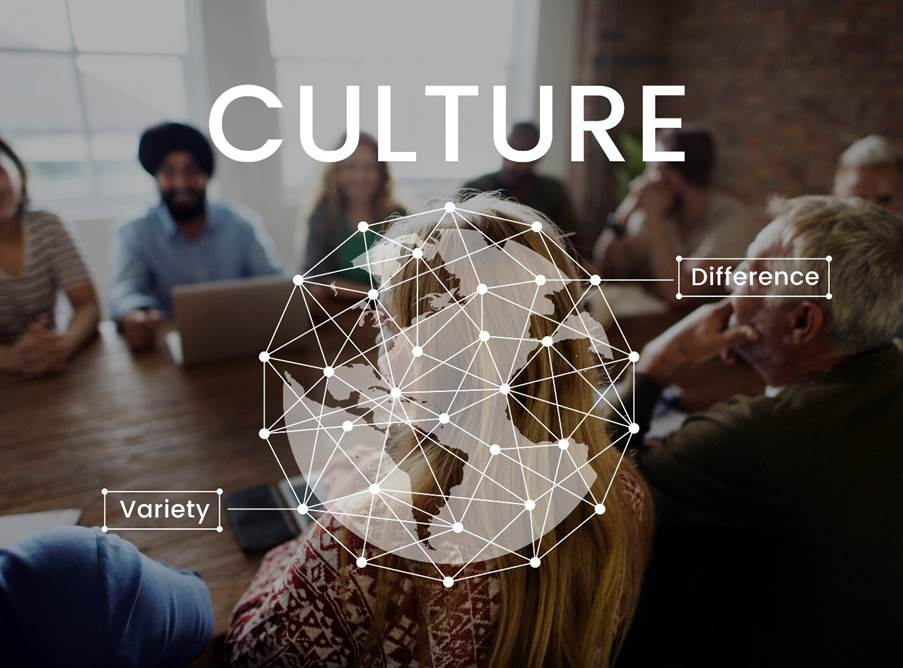
Virtual internships enable interns to work with teams across borders, cultures, and time zones. This exposure builds cultural awareness, adaptability, and global communication skills—qualities that are increasingly important in today’s interconnected world.
Interns learn to navigate cultural nuances, collaborate respectfully, and adapt to different working styles. This global mindset benefits both interns and organizations, fostering innovation and preparing teams for international collaboration.
Cost Efficiency for Organizations and Interns
From a business perspective, virtual internships are cost-effective. Companies can save on office space, infrastructure, relocation expenses, and administrative overhead. These savings allow organizations—especially startups and small businesses—to offer more internship opportunities.
For interns, virtual internships eliminate travel and accommodation costs, making professional experience more affordable. This mutual benefit encourages wider adoption of virtual internship programs across industries.
Accelerating Digital Transformation in Organizations
Interns often bring fresh digital skills and familiarity with modern tools. When working virtually, these skills become even more valuable. Virtual interns can help organizations adopt new software, streamline digital workflows, and experiment with innovative tools.
In this way, virtual internships act as catalysts for digital transformation. Organizations that mentor virtual interns often improve their own digital practices, making them more agile and future-ready.
Challenges and the Need for Better Structure
While virtual internships offer many benefits, they also present challenges. Interns may feel isolated, struggle with communication, or lack clarity without proper guidance. Organizations must be intentional about designing structured programs with clear goals, regular feedback, and mentorship.
Successful virtual internships rely on strong onboarding processes, defined expectations, consistent check-ins, and a culture of inclusion. Addressing these challenges is essential to ensure meaningful learning experiences.

Building a Global Talent Pipeline
Virtual internships allow organizations to identify and nurture talent beyond local markets. Interns who perform well can transition into remote full-time roles, creating a global talent pipeline that supports long-term growth.
This approach aligns with the future of work, where companies are less constrained by location and more focused on skills and potential. Virtual internships become a strategic tool for workforce planning and innovation.
Shaping the Future of Work Culture
Beyond skills and logistics, virtual internships are influencing workplace culture. They promote flexibility, trust, autonomy, and accountability—values that define modern work environments. Interns who begin their careers in virtual settings often prioritize work-life balance, purpose-driven work, and flexibility.
As these interns enter the workforce full-time, they carry these expectations with them, pushing organizations to evolve and adapt. In this way, virtual internships are not just responding to the future of work—they are actively shaping it.
Conclusion
Virtual internships are more than a temporary trend; they are a defining element of the future of work. By expanding access, fostering global collaboration, encouraging digital fluency, and redefining productivity, they are transforming how young professionals gain experience and how organizations build talent.
As remote and hybrid work models continue to grow, virtual internships will play a critical role in preparing the next generation of professionals. Organizations that embrace and invest in well-structured virtual internship programs today will be better equipped to thrive in the dynamic, global, and digital workplace of tomorrow.